Best Digital Marketing Course
In today’s fast-paced online world, choosing the best digital marketing course is the first step toward building a successful career or growing a business online. Digital marketing skills are in high demand, and the right course can help you master everything from SEO to social media and paid advertising.
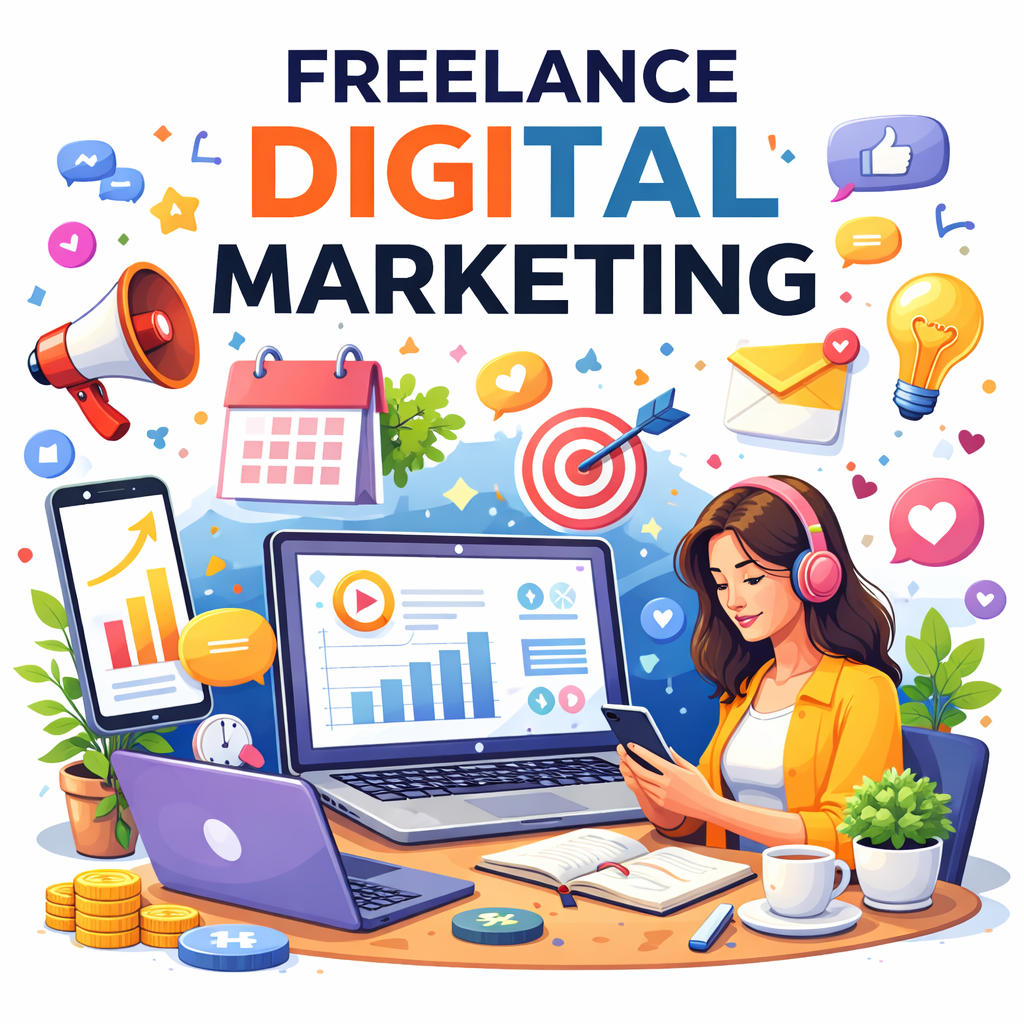
📌 Introduction: Why a Digital Marketing Course Matters
Digital marketing has transformed how businesses grow, sell, and connect with customers. In a world where the internet influences almost every purchase decision, companies seek professionals who can navigate search engines, social media, analytics, ads, and content. That’s where a this course comes in — a structured program that equips learners with skills to jumpstart or elevate their careers.
Whether you’re a student, career changer, entrepreneur, freelancer, or working professional, it is one of the most valuable investments you can make in 2026 and beyond.
In this blog, we’ll explore:
What digital marketing really is
Why you should take a course
Core modules and what you’ll learn
Types of digital marketing courses
Career opportunities after certification
Tips for choosing the right course
Real success stories
FAQs
Let’s dive in.
1. Understanding the Online Marketing Landscape
Online marketing encompasses all strategies used to promote products or services via the internet. The main areas include:
Search Engine Optimization (SEO): Techniques that improve website visibility on search engines.
Social Media Strategies: Managing platforms like Instagram, LinkedIn, YouTube, and Facebook to engage audiences.
Content Strategy: Creating blogs, videos, podcasts, or infographics that attract and convert users.
Email Campaigns: Nurturing leads and retaining customers through targeted messaging.
Paid Advertising: Running campaigns on Google, Meta, LinkedIn, and other platforms.
Analytics and Measurement: Using data to optimize campaigns and report ROI.
Understanding this ecosystem is essential before diving into specialized skills.
2. Why Structured Learning Is Important
Learning systematically offers several benefits:
Comprehensive Knowledge: Avoids gaps that might occur through self-study.
Hands-on Experience: Many programs include live projects and simulations.
Career Growth: Employers prefer candidates who demonstrate practical expertise.
Freelancing Opportunities: Enables working with clients independently.
Remote Work Readiness: Many roles can be done from anywhere.
Structured training prepares you to apply skills immediately in a professional environment.
3. Core Areas to Focus On
Even without naming the course, the main learning areas include:
A. SEO and Organic Strategies
Keyword research
On-page optimization
Technical SEO (site speed, crawlability)
Link-building
Monitoring using Google Search Console and analytics tools
B. Content Creation
Writing blog posts and articles
Creating videos and graphics
Planning a content calendar
Understanding audience engagement
Optimizing for visibility and conversion
C. Social Media Management
Crafting social strategies
Scheduling posts and campaigns
Community engagement
Influencer collaboration
Reporting on reach, engagement, and conversions
D. Paid Campaigns
Creating advertisements for search engines and social media
Targeting specific demographics
Monitoring ad spend and performance
A/B testing for optimization
E. Analytics and Reporting
Setting up dashboards
Interpreting website and campaign data
Measuring success metrics
Adjusting strategies based on performance
F. Email and Automation
Building subscriber lists
Creating personalized campaigns
Tracking engagement and conversions
Automating workflows for efficiency
4. Different Formats of Learning
Options for learning these skills include:
Online Bootcamps: Short, intensive programs with hands-on projects.
Self-Paced Tutorials: Video or text lessons you can complete on your schedule.
Live Instructor-Led Classes: Real-time sessions with opportunities for discussion.
University Diplomas or Certifications: Comprehensive programs recognized by employers.
Specialized Tracks: Focusing on one area, such as SEO, social ads, or analytics.
Each format offers a different level of depth, flexibility, and credentialing.
5. Tools You Will Encounter
To work effectively in this field, familiarity with various tools is essential:
SEO: SEMrush, Ahrefs, Google Search Console, Screaming Frog
Analytics: Google Analytics 4, Looker Studio, Tableau, Excel
Social Media: Hootsuite, Buffer, Canva, Adobe Creative Suite
Paid Ads: Google Ads, Meta Ads Manager, LinkedIn Campaign Manager
Email Marketing: Mailchimp, HubSpot, ActiveCampaign
Practical experience with these platforms is highly valued by employers and clients alike.
6. Career Opportunities After Training
Completing structured learning opens multiple paths:
Entry-Level Roles: Assist in campaigns, manage content, or support analytics.
SEO and Paid Specialists: Focus on increasing website traffic and conversions.
Social Media Strategists: Build brand presence and engage audiences.
Content Marketers: Craft compelling messaging to drive results.
Freelancers: Offer services independently to clients globally.
Managers and Team Leads: Oversee campaigns, guide teams, and develop strategy.
The demand for skilled professionals is high across industries, including tech, e-commerce, startups, and service-based companies.
7. How to Build a Portfolio
Practical demonstration of skills helps land roles quickly:
Create sample projects for websites or campaigns
Publish blog posts or social media campaigns
Track performance metrics
Develop case studies with before-and-after results
A portfolio shows potential employers or clients what you can achieve in a real-world scenario.
8. Common Mistakes to Avoid
Focusing only on theory: Skills without practice won’t help in jobs.
Ignoring analytics: Data-driven decisions are critical.
Neglecting soft skills: Communication, collaboration, and creativity are essential.
Not staying updated: Platforms and strategies evolve constantly.
Overlooking portfolio creation: Proof of work is as important as knowledge.
9. Success Stories
Priya improved a startup’s online traffic by 300% in six months by managing content and ads effectively.
Rahul became an independent consultant, generating recurring monthly revenue by managing SEO for multiple clients.
Anita started her own agency focusing on paid campaigns and social media, scaling her client base in less than a year.
These examples show that application and consistency matter more than formal credentials.
Digital Marketing Course?
The best digital marketing course offers practical knowledge, real-world projects, and industry-relevant tools. Instead of just theory, it focuses on hands-on learning that prepares you for real marketing challenges. Whether you are a student, entrepreneur, or working professional, a structured course helps you gain confidence and job-ready skills.
What You Will Learn
A high-quality digital marketing course usually covers:
- Search Engine Optimization (SEO)
- Social Media Marketing (SMM)
- Google Ads and Paid Advertising
- Content Marketing
- Email Marketing
- Website Analytics and Reporting
- Branding and Online Strategy
These skills are essential for building strong online visibility and driving measurable results.
Who Can Join this Course?
The best digital marketing course is suitable for:
- Students looking for a career in marketing
- Business owners wanting to grow online
- Freelancers and job seekers
- Working professionals planning a career switch
No prior marketing experience is required—basic computer knowledge is enough to get started.
Benefits of Learning Digital Marketing
- High demand and career growth
- Freelancing and remote work opportunities
- Better business visibility and sales
- Affordable learning with long-term value
Digital marketing skills allow you to work across industries and even start your own online venture.
How to Choose the Right Course
When selecting the best digital marketing course, look for:
- Updated curriculum
- Practical training and live projects
- Expert mentors
- Certification and placement support
A course that balances theory with practice will give you the best results..Services</a href=>
What Makes the Best Digital Marketing Course?
Not all courses offer the same value. The best digital marketing course should focus on practical learning, industry-relevant tools, and real-world case studies. Here are the key features to look for:
1. Comprehensive Curriculum
A quality course should cover all major aspects of digital marketing, including:
- Search Engine Optimization (SEO)
- Social Media Marketing (SMM)
- Google Ads and Paid Advertising
- Content Marketing
- Email Marketing
- Affiliate Marketing
- Analytics and Reporting
2. Hands-On Training
Theory alone is not enough. The best digital marketing course provides live projects, assignments, and campaign execution to help learners gain real experience.
3. Industry-Recognized Certifications
Certifications from Google, Meta, or other platforms add credibility to your profile and improve job prospects.
4. Expert Trainers
Learning from experienced digital marketers helps you understand current trends, tools, and strategies used in real business environments.
Choosing the right course can completely transform your career path. Some key benefits include:
- High Demand Career: Digital marketers are needed in almost every industry.
- Freelancing Opportunities: Work independently and earn from global clients.
- Entrepreneurial Growth: Promote your own business effectively.
- Flexible Learning: Many courses offer online and self-paced options.
- Cost-Effective Education: Compared to traditional degrees, digital marketing courses are affordable and result-oriented.
The Ultimate Guide to Building a Future-Proof Career
In the digital age, marketing has transformed completely. Traditional advertising methods like newspapers, banners, and television ads are no longer enough to attract and retain customers. Today, businesses depend heavily on online platforms to connect with their audience, promote products, and build brand trust. This rapid shift has created a huge demand for skilled professionals, making the best digital marketing course one of the most valuable investments for anyone looking to build a successful and future-proof career.
Whether you are a student planning your career, a working professional aiming to upskill, an entrepreneur wanting to grow your business, or a homemaker looking for flexible income opportunities, learning digital marketing can open countless doors. This comprehensive guide will help you understand what digital marketing is, why it matters, what the best digital marketing course includes, and how it can transform your professional journey.
What Is Digital Marketing?
Digital marketing refers to promoting products, services, or brands using digital channels such as search engines, websites, social media platforms, email, and mobile applications. Unlike traditional marketing, digital marketing allows businesses to reach a targeted audience, track performance in real time, and optimize campaigns for better results.
Some of the most common digital marketing channels include:
Search engines like Google
Social media platforms such as Instagram, Facebook, LinkedIn, and YouTube
Email marketing tools
Websites and blogs
Online advertising platforms
A well-structured digital marketing strategy helps businesses increase visibility, generate leads, drive sales, and build long-term relationships with customers.
Why Is Digital Marketing So Important Today?
The importance of digital marketing has grown exponentially due to changing consumer behavior. People now search online before making purchasing decisions, compare brands digitally, and rely on reviews and social media recommendations.
Here are a few reasons why digital marketing is essential:
Most consumers spend a significant amount of time online
Businesses can target specific audiences based on location, interests, and behavior
Marketing budgets can be optimized with measurable results
Small businesses can compete with large brands
Campaign performance can be tracked and improved instantly
Because of these advantages, companies across all industries are actively hiring skilled digital marketers.
Why Enroll in the Best Digital Marketing Course?
Learning digital marketing through self-study is possible, but it often lacks structure, mentorship, and practical exposure. The best digital marketing course provides a complete learning ecosystem that helps you gain both theoretical knowledge and hands-on experience.
Key Reasons to Choose
High Demand Skills
Digital marketing skills are in demand globally. Companies are constantly looking for professionals who can improve their online presence and generate revenue.Career Flexibility
Digital marketing allows you to work full-time, freelance, or remotely. You can even start your own agency or consultancy.Affordable Learning
Compared to traditional degrees, digital marketing courses are cost-effective and offer quicker returns on investment.Practical Knowledge
The best digital marketing course focuses on real-world applications rather than just theory.Continuous Growth
Digital marketing is an evolving field, ensuring constant learning and career growth.
What Makes the Best Digital Marketing Course?
Not all courses deliver the same value. Choosing the best digital marketing course requires careful evaluation of several factors.
1. Comprehensive Curriculum
A high-quality course should cover all major digital marketing modules, including:
Search Engine Optimization (SEO)
SEO focuses on improving a website’s visibility on search engines. You will learn:
Keyword research
On-page SEO
Off-page SEO
Technical SEO
Local SEO
SEO tools and analytics
Social Media Marketing (SMM)
Social media marketing teaches how to build brand awareness and engagement on platforms like Instagram, Facebook, LinkedIn, and Twitter.
Search Engine Marketing (SEM) and Paid Ads
Paid advertising helps businesses achieve instant visibility. Topics include:
Google Ads
Display ads
Video ads
Campaign optimization
Budget planning
Content Marketing
Content marketing focuses on creating valuable content to attract and retain audiences, including blogs, videos, and infographics.
Email Marketing
Email marketing helps nurture leads and retain customers through personalized communication.
Affiliate Marketing
Affiliate marketing allows individuals and businesses to earn commissions by promoting products or services.
Analytics and Reporting
Understanding data is crucial. The best digital marketing course teaches tools like Google Analytics to measure and optimize performance.
2. Practical Training and Live Projects
The best digital marketing course emphasizes hands-on learning. Practical exposure through live projects, real campaigns, and case studies helps learners understand how digital marketing works in real business scenarios.
3. Industry-Recognized Certifications
Certifications add credibility to your profile. A good course prepares you for globally recognized certifications from platforms like Google and Meta.
4. Expert Trainers and Mentorship
Learning from experienced professionals helps you stay updated with the latest trends, algorithms, and tools.
Benefits of Choosing the Best Digital Marketing Course
Enrolling in the best digital marketing course offers numerous personal and professional benefits:
Increased job opportunities
Higher earning potential
Ability to work with international clients
Opportunity to build a personal brand
Skills applicable across industries
Improved problem-solving and analytical skills
Career Opportunities After Completing a Digital Marketing Course
Digital marketing offers diverse career options. Some popular roles include:
Digital Marketing Executive
Responsible for executing and managing digital campaigns.
SEO Specialist
Focuses on improving website rankings and organic traffic.
Social Media Manager
Manages social media accounts and builds online communities.
PPC Specialist
Handles paid advertising campaigns and optimizes ROI.
Content Strategist
Plans and manages content marketing strategies.
Email Marketing Specialist
Designs email campaigns for lead nurturing and retention.
Freelance Digital Marketer
Works independently with multiple clients.
Digital Marketing Consultant
Advises businesses on improving their online strategies.
Freelancing and Entrepreneurship in Digital Marketing
One of the biggest advantages of learning digital marketing is the opportunity to work independently. Freelancing allows you to:
Choose your clients
Work from anywhere
Set your own rates
Scale your income
Entrepreneurs can use digital marketing skills to promote their own products or services without relying heavily on agencies.
Who Should Take a Digital Marketing Course?
The best digital marketing course is suitable for:
Students and fresh graduates
Working professionals
Entrepreneurs and business owners
Freelancers
Homemakers
Career switchers
No technical background is required, making digital marketing accessible to everyone.
How to Choose the Best Digital Marketing Course for You
Before enrolling, consider:
Course curriculum
Practical exposure
Trainer experience
Course duration
Certification support
Placement or freelancing guidance
Student reviews
A course that balances theory, practice, and mentorship will provide the best results.
Future Scope of Digital Marketing
The future of digital marketing is extremely promising. With the rise of artificial intelligence, voice search, video marketing, and data-driven strategies, the demand for skilled digital marketers will continue to grow.
Businesses will increasingly rely on digital platforms, ensuring long-term career stability for digital marketing professionals.
Why Digital Marketing Is a Smart Career Choice
Digital marketing is not just a job; it is a skill that empowers you to create opportunities. Whether you want job security, creative freedom, or financial independence, digital marketing offers it all.
The best digital marketing course equips you with the tools, confidence, and expertise needed to succeed in a competitive digital landscape.
Career Opportunities After Completing a Digital Marketing Course
After completing the best digital marketing course, you can explore multiple career paths, such as:
- Digital Marketing Executive
- SEO Specialist
- Social Media Manager
- PPC Expert
- Content Strategist
- Email Marketing Specialist
- Digital Marketing Consultant
- Freelance Digital Marketer
With experience, you can also start your own digital marketing agency or become a full-time. https://developers.google.com/search